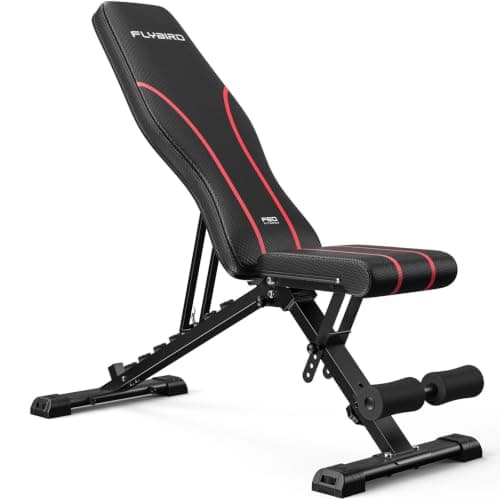
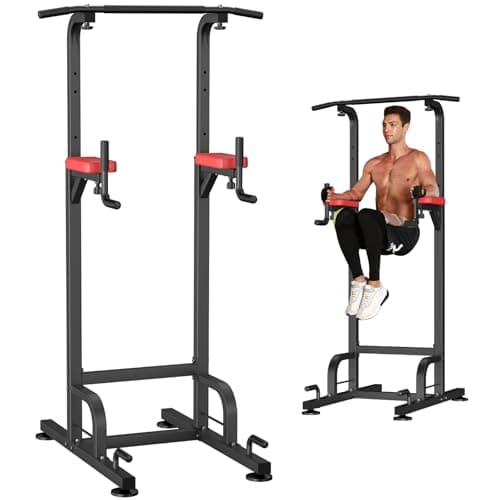
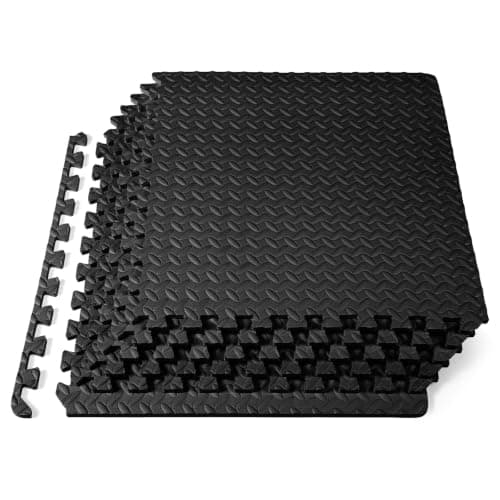
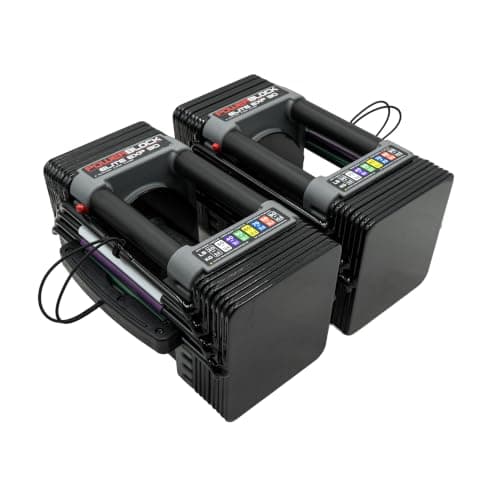
The essentials list for a small space is shorter than the internet suggests: one pair of adjustable dumbbells, one folding bench, one power tower and a floor to put them on — bought in that order. The PowerBlock Elite EXP goes first because it is the shortest adjustable at every weight, the FLYBIRD WB2 second because a bench doubles what dumbbells can do, the RELIFE power tower third because it covers the pulling half of your body for very little money, and ProsourceFit mats on day one regardless of where you are in the sequence.
In a big garage the order barely matters — you buy things and they fit. In a small room the order is the strategy, because every purchase has to justify the floor it takes from the rest of your life. Buying in priority order means you never own a redundant object, you can stop at any point without a hole in your training, and each new piece multiplies the ones already there instead of duplicating them. That is the whole logic of this list.
It also protects you from the most common small-space mistake, which is buying the impressive thing first. A rack or a cardio machine bought early tends to sit unused while the room shrinks around it; dumbbells bought early get used the same week. Order the purchases by how quickly each one starts earning the floor it takes, and the room stays livable the whole way through.
First: one pair of adjustable dumbbells
Nothing else on this page does as many distinct exercises per square foot. A single adjustable pair covers pressing, rowing, curling, lunging, carrying and most of what a beginner or intermediate lifter needs, and it replaces a rack of fixed weights in the space of a shoebox or two. We rank the block-shaped PowerBlock first for a small room specifically because it is physically shorter than a dial dumbbell at every setting, which matters when you press on a narrow bench or store the pair on a shelf. The full field, including the value and premium routes, is in our adjustable dumbbell rankings, and if the shelf is the problem rather than the price, read how to store dumbbells in a small apartment.
Second: a bench that folds
A bench is a multiplier, not an addition. The same dumbbells you already own gain incline presses, flyes, supported rows, step-ups and hip work the moment there is a pad to use, so the second purchase gets you more new exercises than the first one did. The requirement in a small space is that it folds flat and stands against a wall, which is exactly what the FLYBIRD WB2 does at a price that leaves budget for everything else. Our folding bench roundup covers the stable flat-only alternatives if you never press on an incline.
Third: a power tower for the pulling half
Dumbbells and a bench lean heavily toward pushing. A power tower fixes the imbalance with pull-ups, dips, hanging knee raises and push-up handles from a single small footprint, with no plates, no cables and no motor — which is why it delivers more capability per dollar and per square foot than anything else in this kit. The one thing to check before you buy is ceiling height: the bar has to clear your head with room to hang. Our power tower roundup has the clearance detail.
On day one, whatever else you buy: the floor
Mats are the cheapest item here and the only one that protects something you may not own. Interlocking foam tiles keep dumbbells and bench feet off hardwood or laminate, take the edge off the impact that reaches the unit below, and lift straight out when you move — no adhesive, nothing to patch. Put them down before the first session rather than after the first dent. The reasoning, and the limits of half-inch foam, are in our apartment flooring guide.
None of these four have been lab-tested by us — we own no lab, and the count of units we've put on a test rig is zero. The ranking is built from published dimensions, install requirements and owner feedback read at volume, weighted for fit. If you want the same kit laid out as five categories rather than a priority order, see the compact home gym.
What you can skip in a small space
Half of building a small gym is refusing to buy things. These are the items most first-time buyers add and most later regret, along with what covers the same ground for less floor.
Skip the barbell and plates — at first
A bar plus plates plus a rack plus somewhere to store the plates is the single largest footprint commitment in home training, and adjustable dumbbells reach most of the same muscles without any of it. Add barbell work when you specifically want to train the barbell lifts, not because a gym you once used had them. When that day comes, our folding squat rack roundup is the space-efficient way in.
Skip the cable machine
Cables are lovely and almost never essential. A power tower plus dumbbells covers pulling, pressing and core; a cable station adds refinement, a second footprint and, in most cases, a wall you have to drill. We argue this out honestly in do you need a cable machine at home?
Skip fixed dumbbells, mirrors and rubber rolls
A set of fixed dumbbells is the worst floor-to-function ratio in the category. Full-length mirrors are a want, not a need, and are a deposit risk in a rental. Glued or rolled rubber flooring belongs in a garage you own — in an apartment, interlocking tiles do the job and leave with you. Spend the difference on the bench.