HUB 05
Cable, All-in-One & Power Towers
One machine that does the work of a rack full of stations in a 6-by-6 corner. Ranked by footprint, ceiling height and how much of a real gym they actually replace.
We earn a commission when you buy through our Amazon links, at no extra cost to you. It never changes our rankings, and we say so when the cheaper product is the better buy. How this works.
Start here
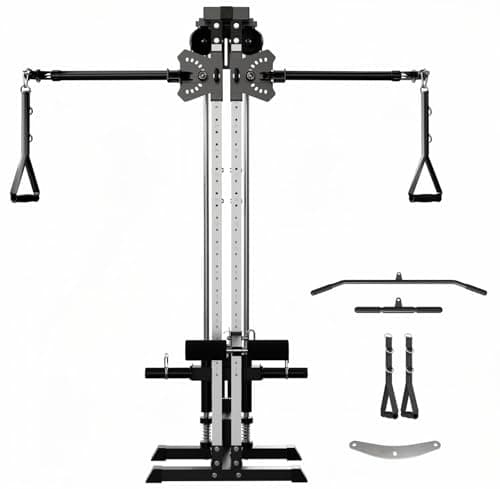
The Best Compact Cable Machines for Small Spaces
A wall-mounted cable crossover that takes almost no floor, plus a no-drill freestanding trainer — ranked by footprint and install type.
One machine, or a rack full of stations?
The appeal of an all-in-one is obvious in a small space: one machine in the corner instead of a bench, a cable tower, a lat station and the plates to feed them. Some deliver most of that promise; some are a single station wearing a marketing name. The honest question isn't "is it an all-in-one" — it's what fraction of a real gym it actually replaces, and how much floor it takes to do it.
The three shapes that fit a small room
A wall-mounted cable machinetakes almost no floor — it bolts to studs and gives you pulldowns, rows, flyes and pressdowns from a unit that's essentially flat against the wall. It's the most space-efficient cable option, if you can drill. A freestanding functional trainer gives you the same cable movements with no anchoring, so renters can own one, but it needs a dedicated corner of floor. An all-in-one home gym — rod resistance or a selectorized stack — puts several stations and the weight into one enclosed unit with nothing to drop, which is quiet and apartment-friendly but occupies a defined footprint even when idle. And a power tower is the cheapest big-bang option: pull-ups, dips and knee raises from a small footprint, using only your bodyweight.
What decides the price
Whether the weight is included, and how it's applied. Plate-loaded cable machines are cheaper up front but you supply the plates. Rod and stack machines include the resistance, which costs more but means nothing to store or drop. Power towers are cheapest of all because the resistance is you. Match the resistance type to your space and your existing gear before you compare sticker prices.
The mistake buyers make
Buying an all-in-one that doesn't fold to replace gear that would have. If you have to give up a permanent square of floor anyway, make sure the machine earns it by genuinely replacing several stations — otherwise a folding rack, a bench and adjustable dumbbells cover more ground in less permanent space. And check the ceiling: cable top-pulleys and power-tower pull-up bars both need clearance the box doesn't mention.
Where to start
If you want cables and can drill, start with the compact cable machines. If you want a self-contained gym with nothing to store, start with the all-in-ones. If you want the most capability for the least money and space, a power tower is hard to beat.
Everything in this hub
All cable, all-in-one & power towers
Roundup
The Best Compact Cable Machines for Small Spaces
A wall-mounted cable crossover that takes almost no floor, plus a no-drill freestanding trainer — ranked by footprint and install type.
Top pick: GMWD Wall-Mounted Cable Machine
$359.99View on Amazon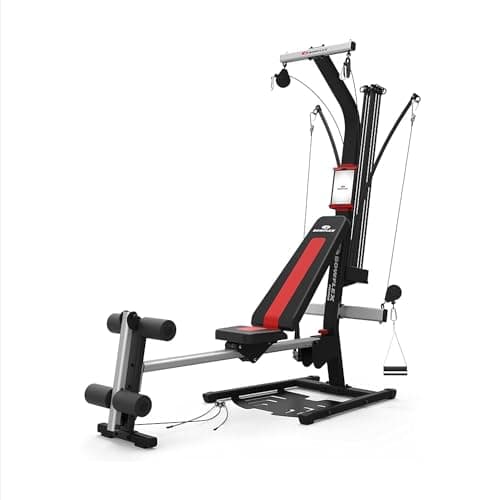
Roundup
The Best All-in-One Home Gyms for Small Spaces
Single-frame home gyms that bundle pressing and pulling with built-in resistance — plus a budget bodyweight tower — ranked by footprint and resistance type.
Top pick: Bowflex PR1000 Home Gym
Check price on Amazon →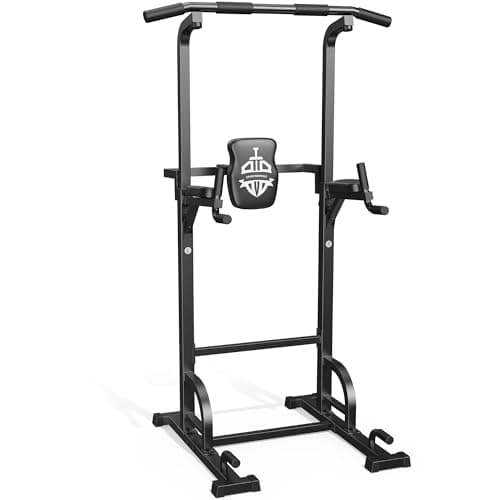
Roundup
The Best Power Towers for Small Spaces
Pull-up and dip towers ranked by base footprint, ceiling clearance and how much the frame moves under load — plus the budget pick that still stays planted.
Top pick: SPORTSROYALS Pull-Up Power Tower
$169.98View on AmazonRoundup
The Best Wall-Mounted Cable Machines
Cable stations that hang on the wall and take almost no floor, ranked by pulley range and install demands — including one that folds a squat rack in too.
Top pick: GMWD Wall-Mounted Cable Machine
$359.99View on Amazon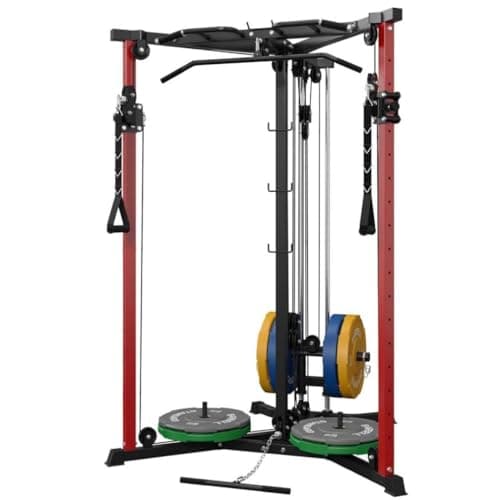
Head to head
Functional Trainer vs Wall-Mounted Cable Machine
Freestanding functional trainer or anchored wall cable? A verdict-by-use-case breakdown for renters, owners, and rooms where floor is the scarce thing.
Top pick: Mikolo Cable Crossover / Functional Trainer
$379.99View on Amazon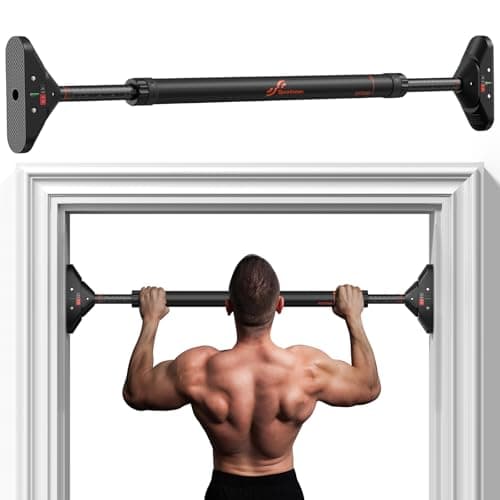
Roundup
The Best Doorway Pull-Up Bars
No-drill doorway pull-up bars ranked on published capacity, door-width range and grip options — the renter's answer to vertical pulling.
Top pick: Sportneer No-Drill Doorway Pull-Up Bar
$39.99View on Amazon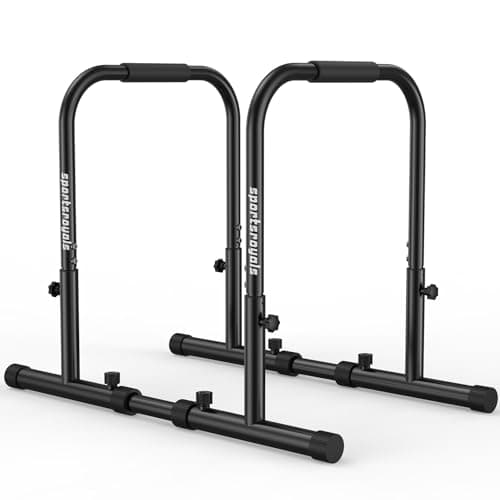
Roundup
The Best Dip Stations for Small Spaces
Freestanding dip bars and parallettes ranked on published capacity, height adjustment and how flat they store — the small-footprint alternative to a tower.
Top pick: SPORTSROYALS DP1 Adjustable Dip Station
$79.99View on Amazon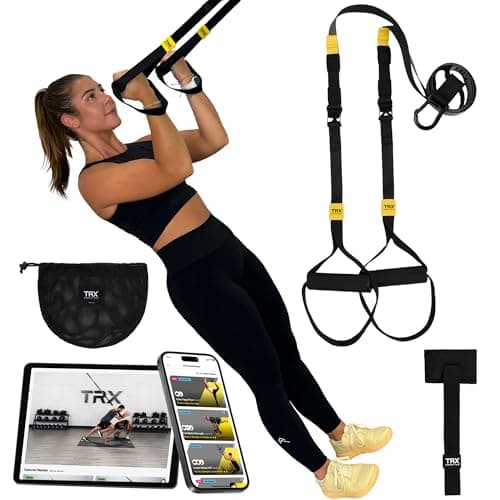
Roundup
The Best Suspension Trainers for Small Spaces
Three suspension trainers compared on published rating, anchor types and kit weight — the smallest way to add real pulling work to a rented room.
Top pick: TRX GO Suspension Trainer
$139.95View on AmazonHead to head
Power Tower vs Doorway Pull-Up Bar
The bodyweight-station decision run on footprint, ceiling clearance and install reversibility — with picks on both sides and the third option in between.
Top pick: Sportneer No-Drill Doorway Pull-Up Bar
$39.99View on Amazon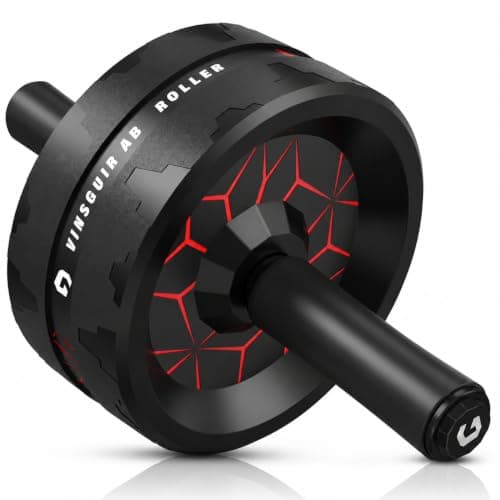
Roundup
The Best Ab and Core Equipment for Small Spaces
Ab rollers, parallettes and a hanging station ranked by floor needed, published capacity and what each one actually trains in a small room.
Top pick: Vinsguir Dual-Wheel Ab Roller with Knee Pad
$19.99View on Amazon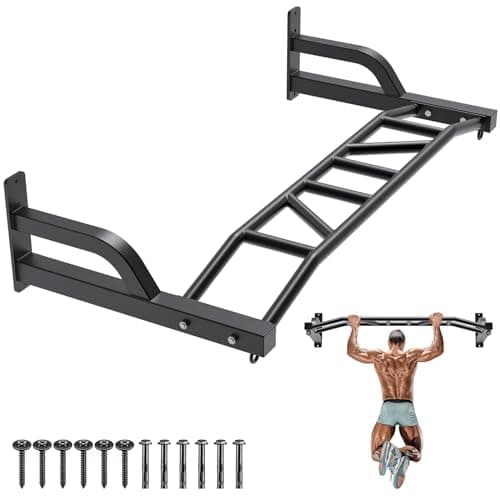
Roundup
The Best Wall-Mounted Pull-Up Bars
Five mounted pull-up bars — three wall, two ceiling — compared on published wall projection or drop height, stud and joist spacing, and rated load.
Top pick: SELEWARE 48" Multi-Grip Wall-Mount Pull-Up Bar (SWPUB-03)
$119.99View on AmazonRoundup
Best Lat Pulldown Machines for Small Spaces
The five routes to a home lat pulldown ranked for a small room: a wall-mounted cable station, a cage with an integrated lat tower, a freestanding functional trainer, a 150 lb selectorized stack and the value wall cable.
Top pick: GMWD Wall-Mounted Cable Machine
$359.99View on Amazon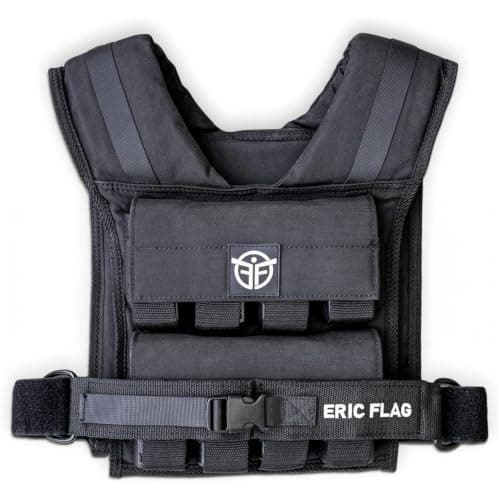
Roundup
The Best Weighted Vests for Small Home Gyms
Five weighted vests ranked on increment size, published empty weight, fill type and fit range — the zero-footprint way to make pull-ups, dips and step-ups harder in a room with no space left.
Top pick: Eric Flag Adjustable Weighted Vest, 0-40 lb
$159.99View on Amazon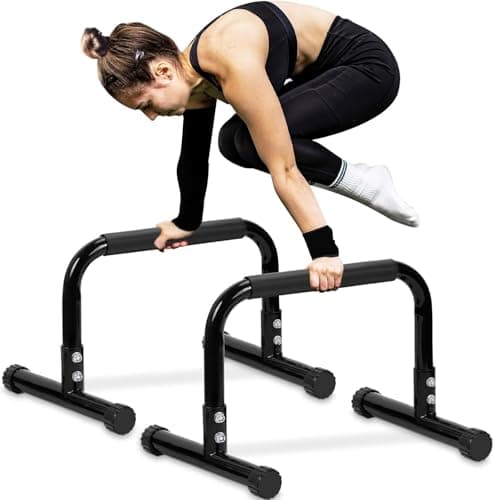
Roundup
The Best Push-Up Bars and Parallettes for Small Spaces
Five push-up bars and parallettes ranked on handle height, base footprint, published rated load and wrist angle — covering both products the category sells under one name, and naming the three listings that publish no load rating.
Top pick: TABEKE 14" Steel Parallettes / Dip Bars
$31.99View on Amazon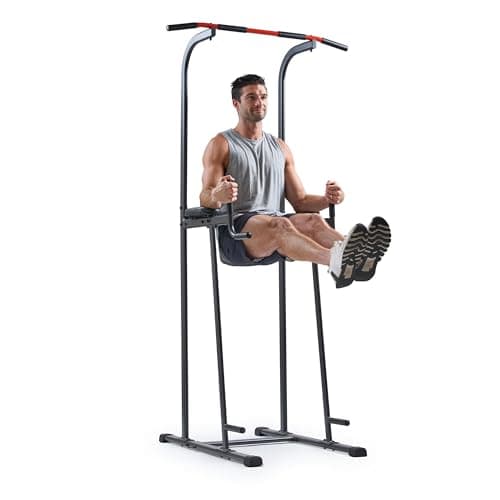
Head to head
Power Rack vs Power Tower
A power rack holds a loaded barbell and implies a bar, plates and a bench. A power tower holds your bodyweight and implies nothing. The real cost, footprint and ceiling comparison, with four picks.
Top pick: Sunny Health Power Tower
$179.99View on Amazon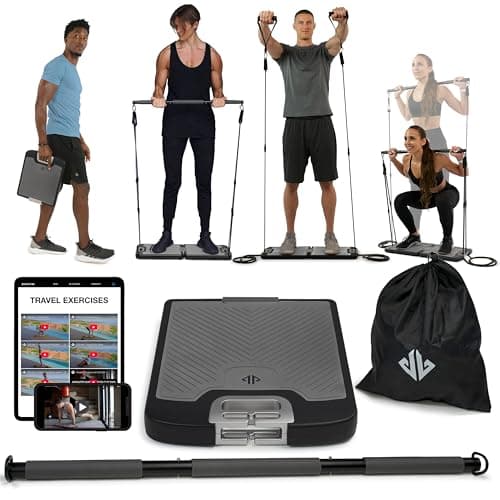
Roundup
The Best Portable Home Gyms for Small Spaces
Five portable band-and-bar gym systems ranked on published band tension, published stored size, what anchors them and what they cannot do — including the only one that publishes its folded dimensions and the only one that publishes every band rating.
Top pick: EVO Gym Portable Home Gym (10-band set)
$219.99View on Amazon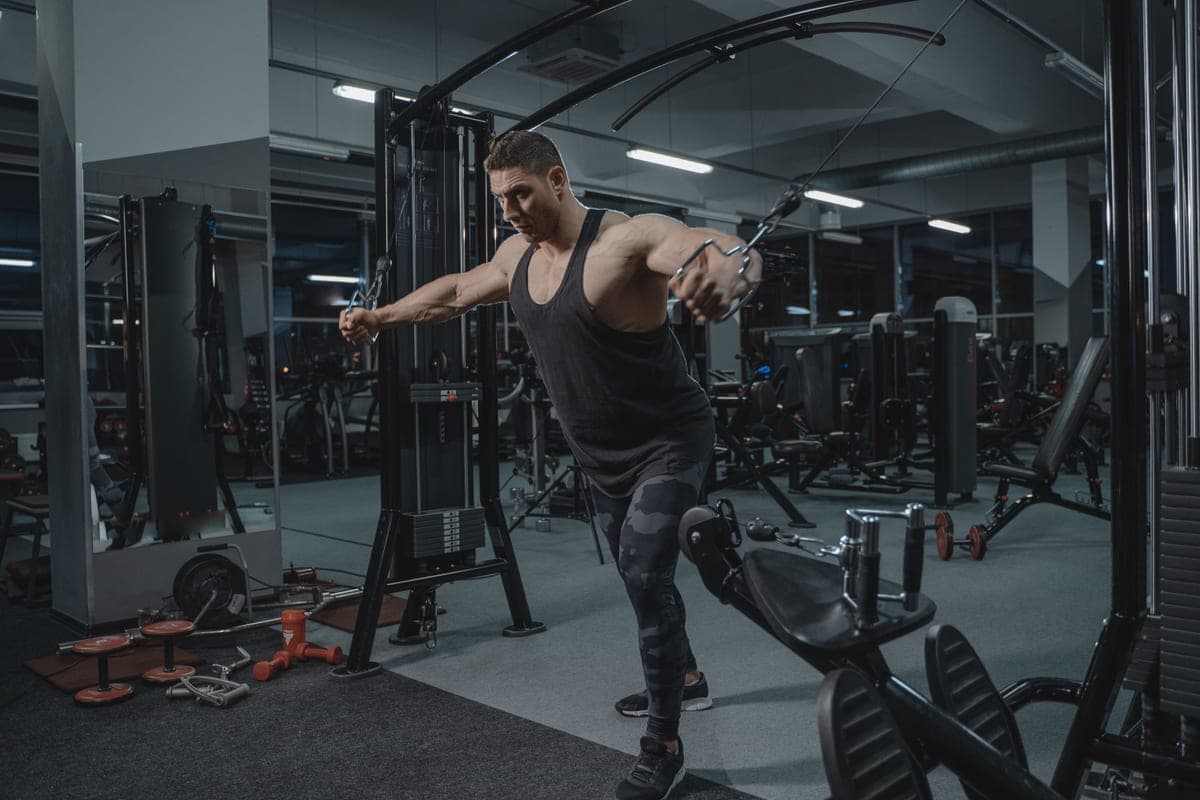
Guide
Do You Need a Cable Machine at Home?
Whether a home cable machine earns its footprint, and how it compares with adjustable dumbbells and an all-in-one gym for a small space.
Guide
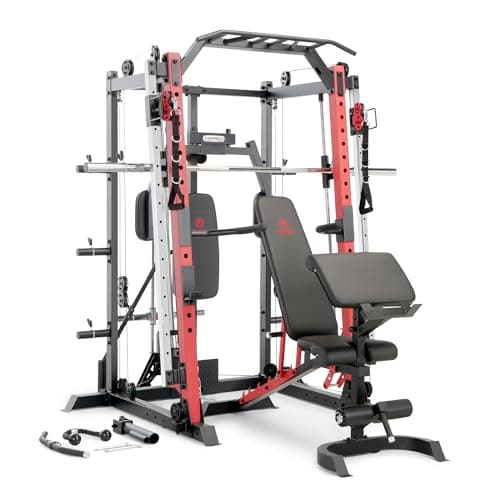
Is a Smith Machine Right for a Small Home Gym?
The honest case against a Smith machine in a small room, the specific lifter it does suit, and the compact alternatives that cover the same lifts for less floor.
Top pick: Marcy Smith Machine Cage System
$1,799.99View on AmazonGuide
All-in-One Home Gym Buying Guide
Rod, stack or plate-loaded? A plain-English guide to all-in-one home gym resistance types, real footprints, and what fraction of a commercial gym they replace.
Top pick: Bowflex PR1000 Home Gym
Check price on Amazon →