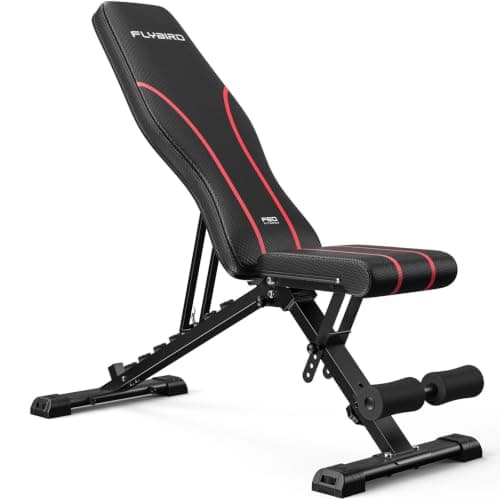
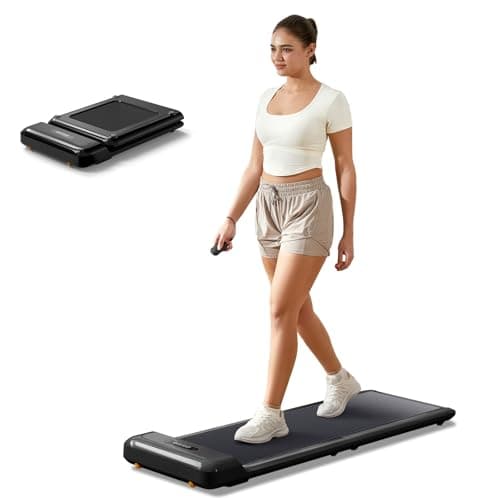
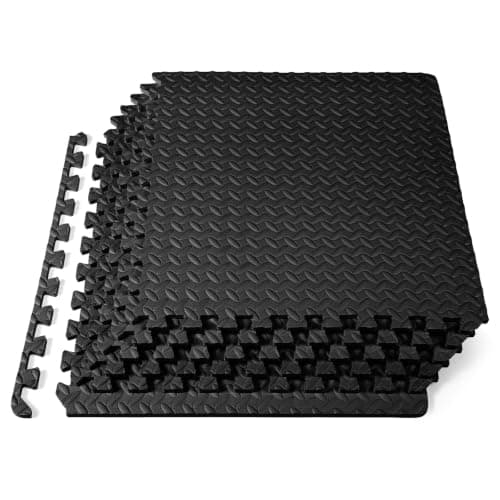
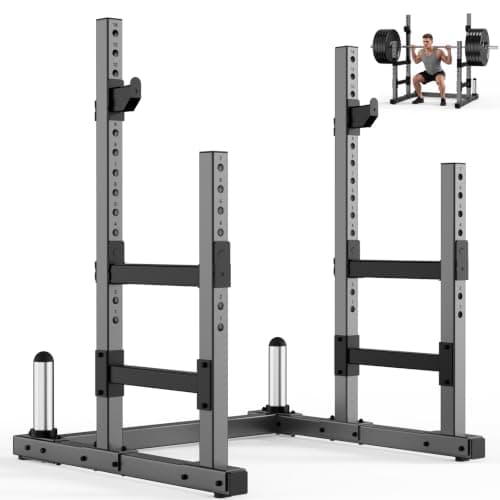
The renter rule is simple: if a piece of equipment can't come into the apartment, work, and leave again without an anchor in a wall or adhesive on a floor, it isn't renter gear. A freestanding squat stand, a folding bench, a walking pad and lift-out interlocking mats cover strength and cardio with zero install and nothing to patch on move out day.
Renting is treated as a limitation in most home gym advice, and it barely is. Exactly two categories genuinely require drilling — wall-mounted racks and wall-mounted cable stations — and both have freestanding equivalents that do nearly the same job. Everything else in home training already sits on the floor with no fasteners at all. What renting really changes is the criteria: reversibility becomes a spec you shop on, the same way footprint and fold do.
The zero-install gear list, category by category
Racks.A freestanding squat stand is the renter's rack. Two independent uprights set to your own width, moved or broken down when you're done, nothing touching the wall. You give up some stability versus a bolted rack, which is a real trade — run conservative loads and read our folding rack roundup for how the freestanding and wall-mounted options compare.
Load. Adjustable dumbbells are the most renter-friendly strength purchase that exists: no install, tiny footprint, and they hold resale value if you move somewhere smaller. Kettlebells are the same story in a simpler package.
Bench. A folding adjustable bench stands against a wall between sessions and weighs little enough to carry down a stairwell one-handed. Our folding bench picks are all freestanding by definition.
Cardio. A walking pad is the standout here — it plugs in, it slides under a bed or a couch, and the fold-in-half models store upright in a closet. Magnetic rowers and under-desk machines are the other no-install options. See the walking pad roundup.
Floor. Interlocking foam tiles, always. They jigsaw together with no adhesive, cover exactly the zone you train on, and lift out in one pass when you leave.
Protecting the deposit
The damage that costs renters money is almost never dramatic. It's dents, scuffs and sweat, accumulated quietly over a lease.
- Floor first. Mats down before the first session. Concentrated point loads — rack feet, bench feet, a dumbbell corner — are what dent laminate and vinyl, so put a firmer spreader under anything that stands in one place under load.
- Watch the trim. Doorway pull-up bars clamp against the frame and can crush or mark painted trim. If you use one, pad the contact points and check them monthly.
- Skip adhesives entirely. Stick-on hooks, mirror tape and anti-slip pads all take paint or finish with them eventually. Freestanding storage solves the same problems.
- Manage sweat. Sweat sitting on hardwood is genuine, expensive damage. A towel and a mat under the training zone is the entire fix.
- Keep the noise down.A deposit survives noise, but a lease renewal sometimes doesn't. Our soundproofing guide covers the impact side.
Reversibility is a purchase criterion
Before you buy anything large, ask how it leaves. Measure the doorway, the hallway turn and the stair width, and confirm the unit either fits through assembled or comes apart with the tools in the box. Keep the hardware bag and the assembly instructions somewhere you'll find them in two years. Prefer several light pieces to one heavy one — three items you can each carry alone beat one you need help with. And prefer gear that resells: adjustable dumbbells, benches and walking pads all move quickly secondhand, which turns a purchase into a rental you might get most of your money back from.
What to avoid in a rental
Anything bolted to a wall is out unless you have written permission — that means wall-mounted racks and wall cable stations, both of which leave lag holes in studs. Glued-down rubber flooring is out for the same reason — loose-laid rubber that lifts back out is fine, and is covered below. Drop-heavy training is out because it's the fastest route to a complaint and a dented floor at once. And be skeptical of very large non-folding machines: a full cage or a smith machine that arrived in twelve boxes will need to leave in twelve boxes, in a stairwell, on a day when you are already moving. If you have the landlord's blessing to anchor, the calculus changes and a fold-flat wall rack becomes the best small-space option there is — the install detail that matters is in are wall-mounted squat racks safe?
Build the whole thing renter-first and you lose very little. Our best home gym for small spaces is a value kit where every piece is freestanding, and the apartment setup plan puts the measuring and the install decision in the right order. As always: nothing here has been lab-tested by us — we compile published specs, install requirements and owner reports, and we say so.
The renter's index: every page on this site, by the problem it solves
Renting sets four constraints that an owner never thinks about — you cannot drill, you cannot make noise, you cannot mark the floor, and everything has to leave with you. Here is the whole site arranged by which of those it answers.
You cannot drill
You cannot make noise
You cannot mark the floor
It all has to leave with you