A small-space home gym that runs a full strength program costs less than most people expect, because the room does the budgeting for you: the pieces that fit an apartment — adjustable dumbbells, a folding bench, a band set, a rack that folds to the wall — are also the pieces that cost the least. This page walks the tiers from a drawer of bands to a fold-flat rack with a barbell, says what each one actually contains, and lists the costs that never appear on a listing.
Two ground rules. We do not type prices into copy on this site — every product card carries a live, date-stamped Amazon price and that number is the one to trust — so the figures here are the tier caps our kit pages are built around, not per-item prices. And the tiers are for a small room: a garage full of plate-loaded machines is a different article, and a more expensive one.
The four tiers, and what each one is
Tier 0: the drawer kit
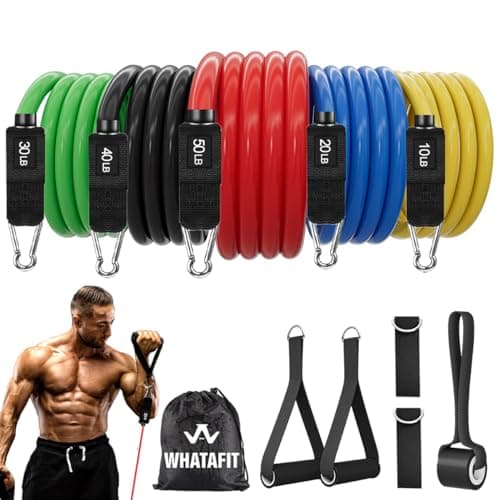
The cheapest home gym that is genuinely a home gym is a band set with a door anchor, and it is one of the cheapest items on this site. It gives you horizontal pulls, pulldowns, presses and every accessory movement, weighs about two pounds and lives in a drawer. It cannot run a progressive strength program — band poundage is a rating, not a calibrated weight — but as a first purchase or a travel kit it is the best value on the site, and our band roundup ranks the sets.
Tier 1: under $500
This is where most apartment gyms should start, and our best home gym under $500 is the kit: a pair of adjustable dumbbells, a folding adjustable bench, a power tower for pull-ups and dips, and puzzle mats. That covers pressing, rowing, squatting with dumbbells, pulling and core — a complete program — on a shelf, a wall and a square of floor. What it deliberately leaves out is a rack, because under this cap the honest advice is to skip it.
Tier 2: under $1,000
The tier that replaces most of a membership. The under-$1,000 build adds the thing the first tier skipped — a freestanding power cage, in this case one with a lat tower — plus a stowable bench, value adjustable dumbbells and mats. The bench and dumbbells are still the same class of purchase; the cage is the new money, and it is also the first piece that owns a permanent footprint. If you cannot give up the floor, the folding wall rack below is the alternative at roughly the same spend.
Tier 3: under $2,000
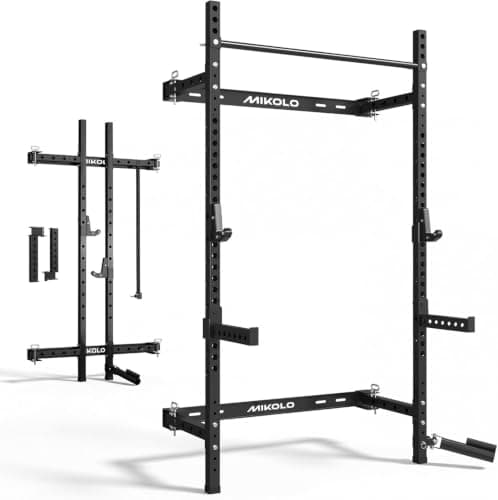
The tier where the barbell earns its place. Our under-$2,000 kit is a folding wall rack with a pulley, a 6 ft bar, a bumper plate set, premium adjustable dumbbells and a stowable bench — a gym that does everything a commercial one does for a single lifter, and folds flat when the room needs to be a room. Past this tier, in a small space, you are buying nicer versions of the same things rather than new capability.
Where the money goes, by category
If you are building piece by piece rather than buying a tier, this is the order the spend usually falls in, from the piece that costs least per unit of training to the piece that costs most:
- Bands and a door anchor. The floor of the budget, and the whole kit weighs about two pounds.
- Flooring. Puzzle mats for a dumbbell corner are cheap; rubber flooring for a barbell is not, and it is the cost people forget most reliably. The mat roundup and rubber flooring for apartments cover both ends.
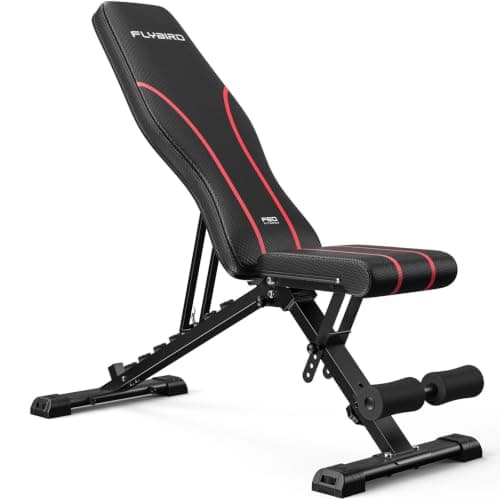
- A folding bench. The cheapest large piece, and the one with the widest range of quality for the money. Benches under $200 is the shortlist.
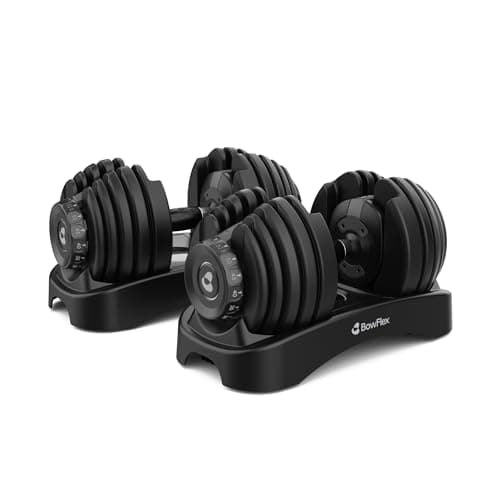
- Adjustable dumbbells. The most expensive small object you will buy and the best value in strength training per square foot — one pair replaces fifteen. The spread between a budget pair and a premium pair is large, and the under-$300 roundup is where the value sits.
- A rack. Folding wall racks and budget cages sit in the same band; squat racks under $500 has both. A premium rack costs more than everything above it combined, and in a small room it does not fold any differently.
- A barbell and plates. The bar is a one-time buy; the plates are where the spend scales with strength, and bumpers cost more than iron. This is the purchase that turns a corner into a permanent gym, which is why it sits in the top tier.
- Cardio. Optional, and a walking pad is the cheapest motorized option by a distance — see folding treadmills under $300 if it is in the plan.
The costs that never appear on a listing
- Delivery of heavy items. Plates and racks ship heavy. Amazon listings usually fold this in; brand-direct sellers often do not, and a plate set can cost a meaningful fraction of its price again to ship.
- Flooring you did not plan. The mat under the dumbbells is cheap. The rubber under a barbell, and the plywood under a walking pad on carpet, are the two people discover after the first session.
- The wall. A folding rack needs lag bolts into studs, a stud finder, and — on move-out — patching and paint. Small money, real money.
- Assembly time. A cage is an afternoon; a folding wall rack is an afternoon plus the install. Time is a cost.
- Moving it. The one renters forget. A home gym that cost a certain amount to buy costs something to move, and the pieces that cost most to move are the ones that did not fold. How to move a home gym is the honest read before the lease ends.
- The pieces you replace. Buying the 25 lb dumbbells and outgrowing them in six months is the most common double-spend in the category. Buy the ceiling you will reach in two years, not the one you are at today.
The four picks below are the four pieces that show up in almost every tier above — the band set that is the floor of the budget, the dumbbells and bench that are the middle of every kit, and the folding rack that is the top of a small-space build — with their live prices, so you can total a kit for your own room rather than take a number from us.
Is it cheaper than a gym membership?
Usually, over a horizon of a couple of years, and sometimes within the first — but the honest answer depends on two numbers only you have: your local monthly rate and the kit you would actually buy. We built home gym vs gym membership as a break-even you run yourself rather than a number we assert, and the tiers on this page are the kit side of that calculation.
What to buy first if the budget is the constraint
- Bands with a door anchor. Day one, any budget. Everything else is additive.
- Adjustable dumbbells. The purchase that makes a strength program possible. Buy the range you will need in two years.
- A folding bench. Turns the dumbbells into a full upper-body program.
- Mats under all of it. Before the rack, not after.
- A pull-up solution. A doorway bar or a power tower, depending on whether you can spare the floor.
- A rack, then a bar and plates. Only when the room can take them and the lifts demand them.
That order is also roughly the order of cost, which is convenient, and it is the order our beginner equipment guide and small-space essentials pages are built around.
Where a small space saves you money
It is worth ending on the counterintuitive part. Building for a small room forces you toward the equipment that costs least: one pair of dumbbells instead of a rack of fifteen, a bench that folds instead of a commercial one, a wall rack instead of a four-post cage with attachments, bands instead of a cable machine. The constraint that feels like the problem is the thing that keeps the total sane. The people who spend the most on home gyms are the ones with the most floor; if you are reading this site, you are not one of them, and that is good news for the budget.