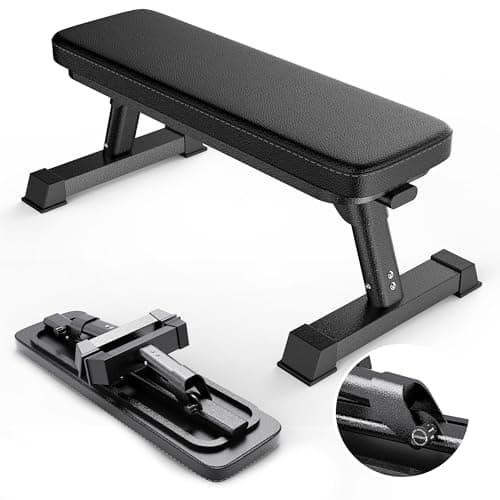
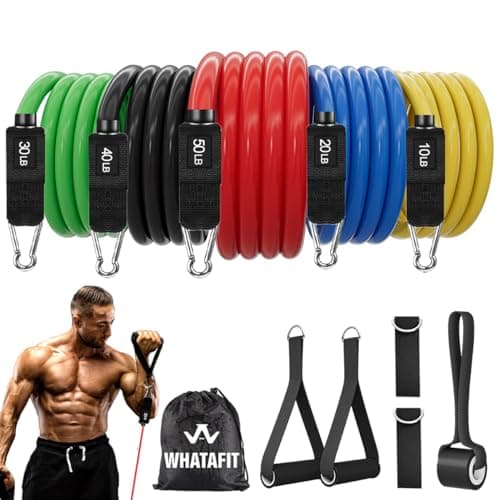
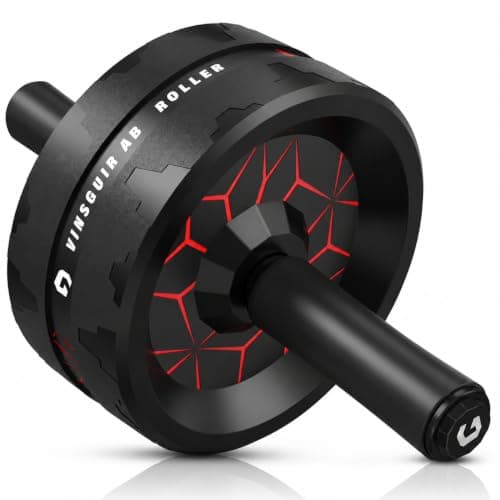
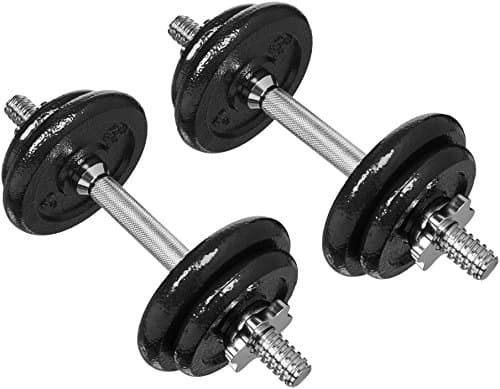
A standard reach-in closet is about 24 inches deep, and that number decides everything. A folding flat bench, a cased weight set, bands and an ab roller all fit inside it; a dial-adjustable dumbbell cradle and anything with a fixed frame do not. Buy for the depth first and the weight second.
The closet gym is the layout for a room that has to stay a room. Nothing is on display, nothing is on the floor, and the setup time is however long it takes to open a door and carry two objects out. It is the most under-rated small-space layout there is, and it fails for one predictable reason: people buy equipment that is deeper than the closet.
This guide starts with the dimensions, because they are the whole problem. Then it covers what a closet shelf can safely hold — which is a real question once you are putting 40 lb of iron on a wall-mounted rail — and the kit that works.
The dimensions that decide it
| Closet type | Typical depth | What fits |
|---|
| Reach-in (standard bedroom) | About 24 in | Folded flat bench on end, cased weights, bands |
| Reach-in (shallow / hallway) | About 14–18 in | Cased weights, bands, ab roller, jump rope |
| Walk-in | 4 ft or more | All of the above plus a folded adjustable bench |
| Under-stairs cupboard | Varies, tapering ceiling | Measure at the low end, not the high end |
Measure three numbers before buying anything: internal depth from the back wall to the closed door, internal width between the side walls, and the width of the door opening itself. That third one catches people out — a bifold door leaves an opening considerably narrower than the closet behind it, and a bench that fits inside may not fit through.
What a closet shelf can hold
This is the safety question of a closet gym, and the honest answer is: less than you think, unless you check. A typical wire or MDF closet shelf is supported by wall clips into drywall and rated for clothing, not iron. Forty pounds of dumbbells on a shelf like that is a real risk.
Three rules:
- Weights go on the floor of the closet, not on a shelf. The floor is structure; the shelf is not.
- If you must shelve weights, add a support into studs. Same principle as wall plate storage — see plate storage racks for the mounting rules.
- Keep the heaviest items lowest. Both for the shelf and for your back.
The kit that fits a 24-inch closet
Four pieces, all of which store on end or flat and all of which one person can carry:
- A cased weight set. The case is the feature — the whole set is one object with a handle. A 38 to 66 lb set covers most beginner and intermediate work. See the compact weight set roundup.
- A folding flat bench. Folds to a thin profile and stands on end against the closet back wall. Flat rather than adjustable, because adjustable benches rarely fold under 20 inches deep. Compare in flat versus adjustable.
- Bands with a door anchor. They anchor to the closet door itself, which is the tidiest version of this whole layout.
- An ab roller. Fits anywhere, trains what a closet gym otherwise misses.
Notice what is absent: dial-adjustable dumbbells. Their cradles are typically wider than they look and are awkward to lift in and out of a confined space. If you already own a pair, the closet floor works — just do not expect them to sit on a shelf.
Where you actually train
The closet stores the gym; it does not host it. You need about 6 by 5 feet of clear floor in front of it, which in most bedrooms means moving nothing more than a chair. Put mats down in that area — they can be rolled or stacked into the closet with everything else. Our gym mat roundup covers what stacks well.
If the room genuinely has no 6 by 5 area, the closet gym is not your layout and the drawer gym is — see home gym ideas for small spaces.
Using the closet door itself
The door is a resource, not just a lid. Three things it can carry:
- A band anchor. Over the top of a closed, hinged door — the same rules as any door anchor apply, and it must open away from you.
- An over-door mirror. Training feedback with no drilling. See renter-friendly mirrors.
- Nothing heavy. A closet door is a hollow-core panel on light hinges. It is not a pull-up bar mount, whatever the door frame above it can take.
Humidity, and why it matters more here
Closets have little airflow, and cast iron plus damp equals surface rust. If the closet backs onto an external wall or the room is humid, three cheap habits fix it: wipe sweat off equipment before it goes away, leave the door ajar after a session rather than shutting it immediately, and keep a moisture absorber in the corner. It costs almost nothing and saves a weight set.
When to graduate out of the closet
Two signals. When the gear no longer fits — usually when you buy a barbell, which is 5 to 7 feet long and does not go in a closet. And when the setup friction starts costing you sessions, which happens if the closet is in a different room from where you train.
The natural next step is a wall gym, where the equipment stays out but folds flat. See wall-mounted squat racks and the apartment setup guide.
The other direction is out of the closet and into the room it opens onto. If that room is a bedroom — which for a reach-in closet it usually is — our bedroom home gym guide covers the layouts that work around a bed, and the noise question an upstairs room brings with it.