The four categories we would skip hardest in a small room are neoprene "toning" dumbbell sets, vibration plates, cheap all-in-one multi-stations, and any implement whose use involves slamming something into an apartment floor. Each one fails for a specific reason — fixed light load, no published mechanism, a garage-sized footprint, and a downstairs neighbor respectively. The money they cost buys one pair of adjustable dumbbells, which is a complete gym on its own, plus the mats almost everyone skips.
We are an affiliate site, so a page telling you not to buy things deserves an explanation: we would rather you buy one thing that stays in use than four that end up on a resale app. Everything below is a category judgment based on published specifications and footprint arithmetic, not a review of a specific product we tested — we have no lab, and our methodology page says so plainly.
1. Neoprene "toning" dumbbell sets
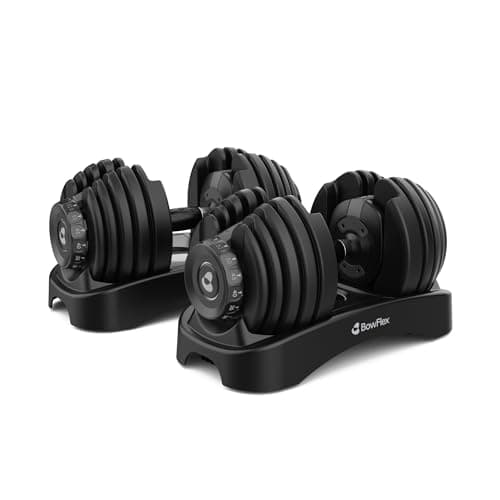
A rack of 3, 5 and 8 lb coated dumbbells takes the floor area of a small table, costs real money, and tops out below where most people are after a month. The load is fixed and the ceiling is immediate, which is the opposite of what a small room needs. One pair of adjustables replaces fifteen pairs in the footprint of one — the whole argument is in adjustable versus fixed, and the counter-case for fixed hex dumbbells (durability, drops) is made there honestly.
2. Vibration plates
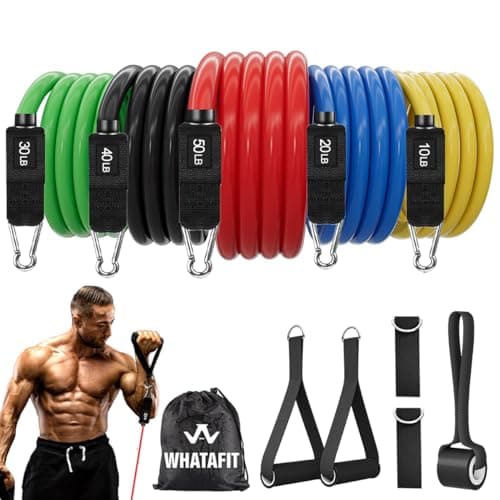
We do not rank them and we are not going to start. The marketing claims we have read are physiological rather than mechanical, the specs that would let you compare two units are usually absent, and nothing about the format addresses the constraint this site exists for — it is a permanent object that provides no external load. If the appeal is "something I can do in a tiny space," a band kit does more for less: 150 lb of stacked resistance from a two-pound bag with a door anchor.
3. Cheap all-in-one multi-stations
The ones sized for a garage are a real product category and we rank them in best all-in-one home gyms. The problem is the budget end: a sub-$300 multi-station gives you a small fixed weight stack, a footprint that does not fold, and movement paths built around the frame rather than around you. In the same money and less floor you can have adjustable dumbbells and a doorway pull-up bar, which cover more patterns with a published load. Our all-in-one buying guide is honest about which end of the category is worth it.
4. Slam balls and battle ropes, in an apartment
These are good tools in a garage or a yard. In an apartment, the entire point of a slam ball is transmitting impact into the floor, and a battle rope needs a 30 to 40 ft run most apartments cannot give. We considered pages for both and declined, because the honest version would be two paragraphs saying do not. If conditioning in a small room is the goal, an adjustable kettlebell is the format that works: swings and carries from one object that lives in a bookshelf bay. Our adjustable kettlebell ranking has the published weights and gaps, and lifting in an apartment covers what the floor actually transmits.
5. A smith machine, for a small space
We rank them, because people search for them and some rooms suit one. But the honest answer for a 100 square foot room is usually no: a smith machine is a large permanent frame that constrains the bar to a single path, which is a lot of floor for a narrower set of movements than a rack gives. We wrote the whole case out in the smith machine guide and the smith machine ranking is there for the rooms where it does fit.
6. A barbell before a rack, or a rack before plates
Not a bad product — a bad order. A rack with nothing in it does nothing, and a barbell with no rack is a deadlift and floor-press tool. Both purchases are fine in sequence and frustrating out of it, which is why our buying-order guide puts the whole barbell system behind four cheaper purchases. The dumbbells versus barbell page has the weight-for-weight arithmetic.
7. A chair, a coffee table or a stability ball as a bench
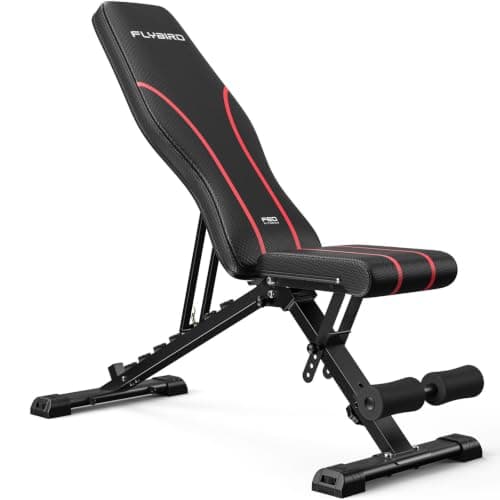
The substitution that costs the least and risks the most. A dining chair has a narrow base and no design assumption about a loaded person lying across it; a coffee table is built for a vase; a stability ball turns a press into a balance exercise, which is a different movement. If a bench will not fit the room or the budget, press from the floor instead — that is a legitimate movement with a shorter bottom range, and do you need a weight bench works through what you do and do not lose.
And the thing almost everybody skips
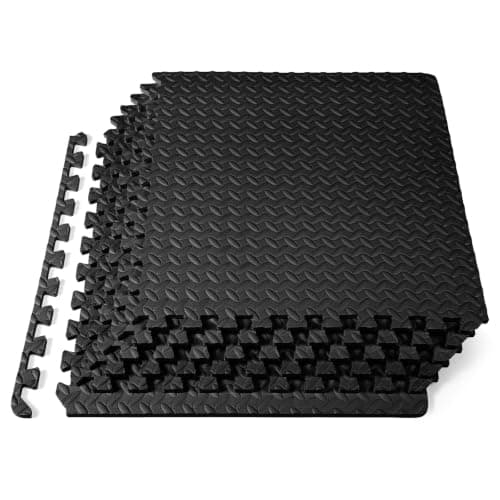
Floor protection. It is the cheapest line item on this site, it is what keeps a deposit intact and a neighbor neutral, and it is the single most common omission in a first build. A pack of half-inch interlocking tiles covers 24 sq ft, needs no adhesive and lifts out when you move. Our mat ranking has the thicker rubber options for dropped plates, and the flooring guide covers what goes under a rack foot.