A 10 by 10 room fits a full strength setup — rack, bench, adjustable dumbbells and a matted training area — or it fits a strength setup and one cardio machine, but not both with room to move. The reason is the training rectangle: you need roughly 6 by 5 feet of clear floor to actually use any of it, and that is 30 of your 100 square feet before a single object goes in. Buy load first (the Bowflex 552 is the default), then a folding bench, then a freestanding rack if barbell work matters, and put half-inch mats under the working area rather than the whole floor.
This is the most common spare-room dimension in American housing and the one people most often overfill. We have room-by-room guides for a bedroom, a living room, a closet, a basement and a garage corner. This one is for a specific number, because 100 square feet is enough to be genuinely good and small enough that one wrong purchase ruins it.
Where the 100 square feet actually goes
Start with the space you cannot furnish. A standing training rectangle — enough to press overhead, swing a kettlebell, lunge forward and set a dumbbell down on each side — is about 6 by 5 ft, or 30 sq ft. That area has to be contiguous and it has to be in the middle, because you cannot train in two halves. Call another 10 sq ft lost to the door swing and the walking route to it.
That leaves roughly 60 sq ft of wall-adjacent floor for objects. Here is what the things we rank actually take out of it, from published figures where they exist:
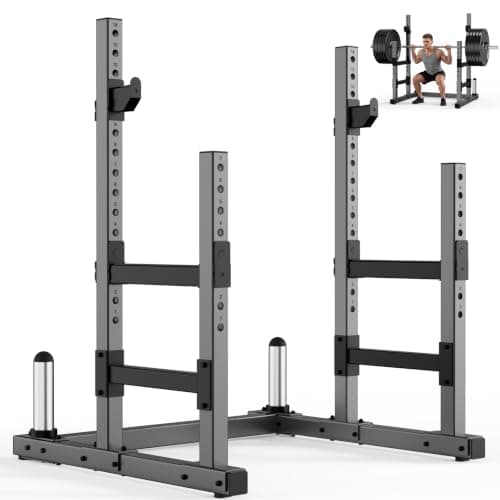
- Freestanding squat stand: 36 by 43 in set up, about 10.8 sq ft (PASYOU published figure). Breaks down and moves.
- Four-post power cage: larger, permanent, and it does not fold — plus a second footprint for a barbell five to seven feet long and the plates to load it.
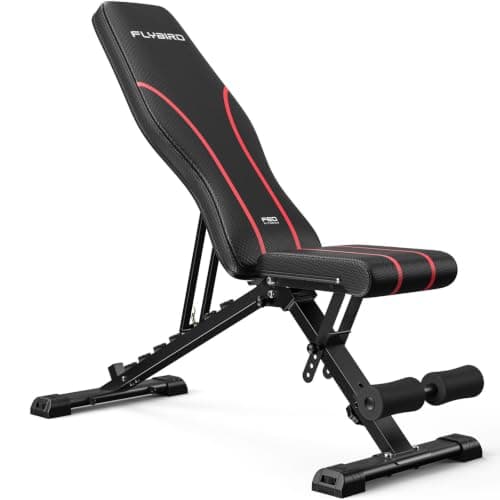
- Folding bench: roughly 4 by 1.5 ft in use, about 6 sq ft, and about a foot of depth standing flat against a wall when folded.
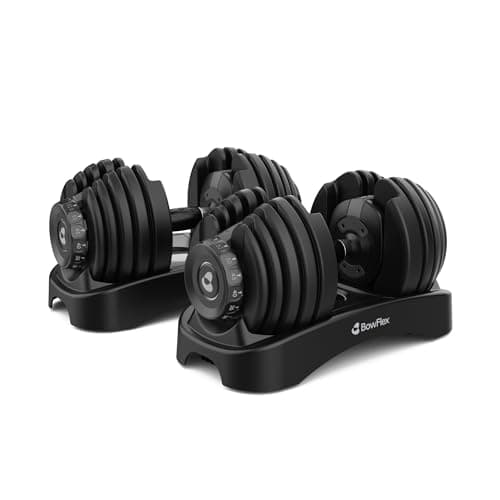
- Adjustable dumbbells: about 2 sq ft for the pair in their cradle, which is the entire reason the category exists.
- Walking pad: 42 to 58 in long and 20 to 25 in wide — 5.8 to 10 sq ft in use, and it stores flat under something.
- Folding treadmill: 64 by 28 in in use (about 12.5 sq ft) and 123.5 lb; it stands against a wall folded, 55 in tall. This is the single largest object you can put in this room.
- Rower: a 7 to 8 ft lane while in use, which in a 10 ft room means it crosses the training rectangle — then folds upright into a corner.
The honest budget: 30 sq ft of training rectangle, 10 sq ft of circulation, and about 60 sq ft of wall. A rack, a bench and dumbbells together take about 19 of that 60 and leave the walls usable. Add a folding treadmill and you have spent another 12.5 and the room starts to feel like storage — which is when people stop going in.
What to look for in a 10x10, in order
- Does it fold or break down? In 100 square feet this outranks every other spec. A bench that folds flat and a rack that comes apart give you the room back on demand; a cage does not.
- Does it publish a footprint? Buy the published number, not the photo. Several categories we rank leave folded dimensions blank — the fold-flat guide says which.
- Does it need the ceiling as well as the floor? Pull-up bars, ellipticals and overhead pressing all want height. Our ceiling guide has the arithmetic.
- Does it bring a second footprint? A barbell implies plates and plate storage. A rack with nothing in it does nothing. Count the whole system, not the frame.
- Can one person move it? At 100 square feet you will rearrange this room. Published unit weights matter more here than anywhere else on the site.
The layout that works
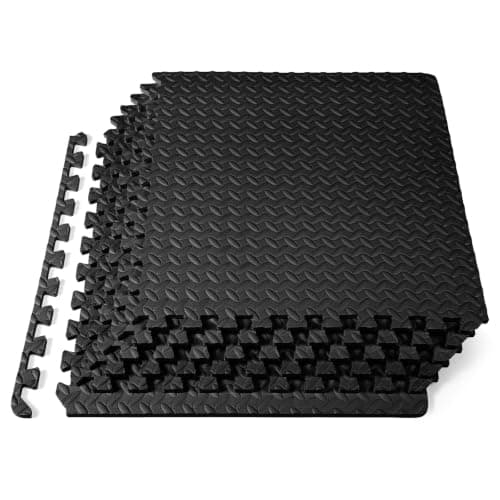
Put the rack or the rack-shaped object against the longest unbroken wall, because that is the only wall that can take it without stealing from the rectangle. Put the folding bench flat against the wall beside it — not in a corner, where you cannot pull it out one-handed. Dumbbells live at the foot of the bench, not across the room; the walk is what stops people using them. Keep the center 6 by 5 ft clear and mat only that, which is one pack of interlocking tiles plus a few spares rather than 100 square feet of flooring you do not need.
If cardio is going in, the machine that suits this room is the one that stores flat under something or folds upright into the corner the rack is not using. That is a walking pad or a rower, in practice — our walking pad ranking and compact rower ranking are the two lists worth reading for a 10x10, and the rower versus elliptical comparison is the fork if you were considering an elliptical instead (short answer: the elliptical wants a permanent patch this room cannot spare).
Three builds that fit 100 square feet
The strength build. Adjustable dumbbells, a folding bench, a freestanding squat stand and a matted center. About 19 sq ft of objects, everything movable, and it covers squats, presses, rows and hinges with real load. This is the build we would choose, and the $1,000 build is roughly its budget.
The hybrid build. Adjustable dumbbells, a folding bench, a doorway pull-up bar instead of a rack, and a walking pad that lives under the bed. No rack means no bar and no plates, which frees the second footprint entirely — the rack question is where to decide whether that trade is yours.
The cardio-led build. A folding treadmill against the long wall, dumbbells and a bench, no rack. The treadmill is 12.5 sq ft in use and the largest single object this room can take, so it replaces the rack rather than joining it. Our treadmill clearance guide has the working rectangle, including the gap you need behind the deck.
What does not fit, however you arrange it
- A four-post cage and a treadmill. Both are permanent-footprint objects and together they leave no training rectangle. Pick one.
- A rower in use and a rack in use. A 7 to 8 ft lane crosses a 10 ft room diagonally past the rack. It works if you fold the rower between sessions, which both rowers we rank do.
- A full plate collection and a bench you want to pull out. Plates take floor you have not budgeted — vertical plate storage is the fix, not a corner.
- An all-in-one machine plus anything. Those units are sized for a garage. Our all-in-one guide is honest about the footprint.
The floor and the neighbors
A 10x10 spare room is usually upstairs, which makes the floor a real consideration rather than a detail. Mat the training rectangle rather than the room — one pack of half-inch interlocking tiles covers 24 sq ft, which is most of a 6 by 5 ft area, and it lifts out when you move. For the structural question read can your apartment floor hold a home gym, and for the noise question lifting in an apartment. If the room has a finished hardwood floor, our hardwood guide covers what goes under a rack foot.
The measurement to take before you buy anything
Not the room — the longest unbroken wall, the door swing, and the ceiling. A 10 by 10 room with a window on one wall, a closet on another and a door that opens inward has perhaps one wall that can carry a rack. Measure that wall, write the number down, and buy against it. Our space guide has the per-movement clearances if you want to check a specific lift.